Jul 29, 2026Food Labels
Why Your Food Labels Don't Stand Out on Retail Shelves
Learn why food labels fail to stand out and how materials, printing quality, finishing options, and production expertise help create more attractive food packaging labels.
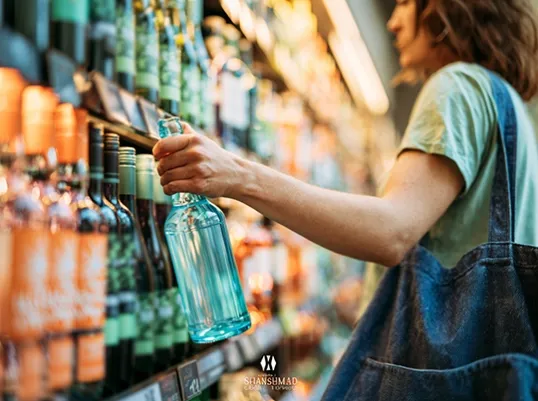
Walking through a supermarket, hundreds or even thousands of products compete for customer attention.
In just a few seconds, shoppers decide which products catch their eye.
Before they read the ingredients.
Before they compare prices.
Before they understand the brand story.
They see the packaging.
A product may have excellent quality, but if the label looks ordinary, the product can easily be overlooked among competitors.
Many brands assume the solution is simply creating a more attractive design.
However, from our experience as a label manufacturer, a great-looking label requires more than a good design file.
The final result depends on how design, materials, printing technology, and finishing work together.
A design that looks impressive on a computer screen does not always become an impressive physical label.
The most successful custom food labels are created when designers and professional label manufacturers work together from the beginning.
A Good Design Still Needs to Become a Real Product
Many food brands invest significant time creating their packaging artwork.
The colors are carefully selected.
The logo placement is considered.
The visual style is designed to represent the brand.
However, there is often a gap between the design concept and the final printed label.
A computer screen can display colors differently from printed materials.
A digital design can show effects that may be difficult to reproduce during actual production.
A certain texture or finish may look excellent in a design presentation but require different materials or processes to achieve the same result.
This is why professional food label printing involves more than simply receiving an artwork file.
An experienced label supplier should help answer questions such as:
- Will this color reproduce correctly in printing?
- Is this material suitable for the desired effect?
- Can this finishing process be achieved consistently?
- Is there a better production method?
The purpose is not to limit creativity.
The purpose is to make sure creative ideas become successful products.
Label Material Can Change How Customers Perceive Your Product
One of the easiest ways for food labels to lose visual impact is using a material that does not match the product positioning.
The label material is not just a background for printing.
It influences:
- Color appearance
- Texture
- Brand perception
- Product quality impression
For example:
A standard paper label may work well for a simple food product.
But a premium product may need a more sophisticated material or finishing process.
Different materials create different impressions:
Premium Brands
May benefit from:
- Matte materials
- Soft-touch finishes
- Specialty textures
These options can create a more refined and high-end feeling.
Retail Products
May benefit from:
- Gloss finishes
- Bright colors
- Strong visual contrast
These effects can help products attract attention on crowded shelves.
Natural or Organic Products
May benefit from:
- Matte surfaces
- Paper-like textures
- Softer visual effects
The right material supports the story the brand wants to communicate.
Printing Quality Determines Whether Colors Actually Stand Out
Even with excellent artwork and the right material, printing quality still determines the final result.
A label with weak color performance may appear:
- Less vibrant
- Less professional
- Less noticeable
Common issues include:
- Colors appearing darker than expected
- Low color saturation
- Poor contrast
- Inconsistent printing between batches
This is why professional label printing requires proper color management.
Factors such as:
- Printing technology
- Equipment calibration
- Ink performance
- Material surface
all influence the final appearance.
For brands that rely heavily on packaging design, accurate color reproduction is not a small detail.
It directly affects how customers perceive the product.
Finishing Effects Can Create Stronger Shelf Presence
A simple label can become much more memorable with the right finishing process.
Common finishing options include:
Gloss Lamination
Creates:
- Bright colors
- Strong visual impact
- Additional surface protection
Often used for:
- Snacks
- Beverages
- Sauces
- Everyday retail food products
Matte Lamination
Creates:
- Premium appearance
- Reduced reflection
- Smooth visual texture
Often used for:
- Organic foods
- Specialty products
- Premium brands
Soft Touch Finish
Creates a unique tactile experience and can make packaging feel more luxurious.
Spot UV
Highlights specific design elements such as:
- Logos
- Brand names
- Important graphics
Metallic Effects
Creates a premium appearance through reflective visual effects.
However, more finishing does not always mean better results.
The best finishing option depends on:
- Product positioning
- Target customers
- Budget
- Production requirements
The Most Expensive Label Is Not Always the Most Effective
A common mistake brands make is assuming that premium packaging requires the most expensive materials and finishing.
In reality, successful packaging is about matching the solution to the product.
A startup launching its first product may need:
- Flexible quantities
- Controlled costs
- Attractive but practical labels
A premium established brand may invest more in:
- Specialty materials
- Advanced finishing
- Unique textures
Both approaches can be correct.
The goal is not to create the most expensive label.
The goal is to create a label that helps the product succeed.
Why Designers and Label Manufacturers Should Work Together
One of the biggest opportunities for improvement happens before printing begins.
Designers understand:
- Brand identity
- Customer psychology
- Visual communication
Label manufacturers understand:
- Materials
- Printing limitations
- Production processes
- Finishing possibilities
When these two areas work together, the final label becomes much stronger.
A professional label supplier can help identify:
- Which design effects are realistic
- Which materials create the desired appearance
- Which finishes provide the best value
- Which production methods achieve consistent results
This collaboration prevents a common problem:
A beautiful design that cannot be successfully produced.
A Professional Label Manufacturer Creates Solutions, Not Just Labels
At AsiaBees, we believe a label should not only look good when viewed on a screen.
It should perform well as a real product.
That means considering:
- The brand positioning
- The packaging environment
- The printing process
- The customer's budget
- The final retail experience
A professional custom label manufacturer does not simply follow instructions.
They help connect design ideas with production reality.
Because the best labels are created when creativity and manufacturing expertise work together.
Final Thoughts
Why do some food labels fail to stand out on retail shelves?
Usually, it is not because the design is bad.
It is because the complete label solution was not fully considered.
Materials, printing quality, finishing options, and production feasibility all influence the final result.
The most successful food packaging labels balance:
- Attractive appearance
- Practical performance
- Production reliability
- Cost effectiveness
A great label is not just designed.
It is developed.
And the best results come from combining creative ideas with professional label manufacturing experience.
Need Help Creating More Attractive Food Labels?
Have a packaging design but are unsure about materials, finishes, or production possibilities?
Tell us your product positioning, packaging type, and design goals. We can help recommend a suitable custom food label solution.
📧 Email: info@asiabees.com
💬 WhatsApp: +86 173 3600 3921