Why Are My Food Labels Peeling Off?
Learn why food labels peel off and how adhesive selection, packaging materials, surface conditions, and professional label printing solutions can prevent label failure.
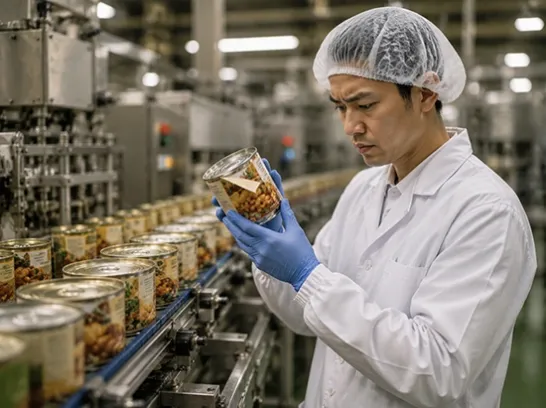
A food label peeling off after production can be a frustrating problem for any brand.
A product may have beautiful packaging, high-quality ingredients, and strong branding, but when the label starts lifting from the bottle, jar, or package surface, the entire product appearance can be affected.
For food manufacturers, label peeling is not only a visual issue. It can also create operational problems. Damaged labels may affect product presentation, customer confidence, inventory management, and even compliance requirements.
Many businesses assume the solution is simply choosing a stronger adhesive. However, successful label application depends on many factors, including packaging material, surface condition, storage environment, and the relationship between label material and adhesive.
The good news is that most label adhesion problems can be prevented before printing begins.
Working with an experienced food label printing partner allows brands to evaluate these factors early and choose the right label solution from the start.
Incorrect Adhesive Selection Is One of the Main Causes of Label Peeling
One of the most common reasons food labels fail is using the wrong adhesive for the packaging surface.
Different packaging materials require different adhesive solutions.
For example:
- Glass bottles usually require different adhesive properties compared with plastic containers
- Plastic packaging such as PE, PP, and HDPE may require stronger or specialized adhesives
- Metal containers may need adhesives designed for specific surface characteristics
A label adhesive that works well on one material may not perform properly on another.
When the adhesive does not match the packaging surface, common problems include:
- Label edges lifting
- Labels completely falling off
- Poor adhesion after transportation
- Reduced durability during storage
Choosing the right adhesive is not only about strength. It is about selecting the correct adhesive performance for the actual application.
Packaging Surface Conditions Can Affect Label Adhesion
Even the best adhesive cannot perform properly if the packaging surface is not prepared correctly.
Before applying labels, packaging surfaces should be clean and free from contaminants.
Common issues include:
- Oil or grease residue
- Moisture
- Dust
- Mold release agents from plastic production
- Other surface contaminants
This problem is especially common in the food industry.
Products containing oils, refrigerated products, and items stored in humid environments often create additional challenges for label adhesion.
Proper surface conditions are just as important as adhesive selection.
Temperature and Environmental Conditions Can Reduce Adhesive Performance
Food products often experience challenging environments throughout their lifecycle.
Labels may need to withstand:
- Refrigeration
- Freezing temperatures
- High humidity
- Temperature changes
Standard adhesives may lose performance under cold conditions.
This is especially important for products transported through cold chains. Frozen food, chilled beverages, and refrigerated products often require freezer-grade or low-temperature adhesives.
A label solution that works perfectly at room temperature may fail when exposed to freezing conditions.
Professional label manufacturers consider the entire product journey, not just the moment when the label is applied.
Packaging Materials Can Make Label Application More Difficult
Some packaging surfaces are naturally harder to label.
Low surface energy plastics, such as:
- PE (Polyethylene)
- PP (Polypropylene)
- HDPE (High-Density Polyethylene)
can be challenging because adhesives have difficulty creating strong contact with these smooth surfaces.
Other difficult surfaces may include:
- Highly polished plastics
- Special coatings
- Treated packaging materials
For these applications, brands may need:
- High-performance adhesives
- Special label structures
- Material recommendations based on application conditions
Label Material and Adhesive Combination Must Work Together
A successful food label is not created by choosing label material or adhesive separately.
The complete label structure needs to work together:
- Label face material
- Adhesive type
- Lamination or finishing
- Packaging surface
- Storage environment
For example, a thick or rigid label material may create additional stress at the edges, increasing the chance of peeling.
This is why professional label production requires more than simply printing artwork onto material.
A reliable label supplier evaluates the complete application before recommending a solution.
Why Choosing the Right Label Manufacturer Matters
Many brands spend significant time dealing with peeling labels after production.
They may need to:
- Replace damaged products
- Reapply labels manually
- Delay shipments
- Waste printed packaging materials
However, many of these problems can be avoided before printing starts.
Before producing custom food labels, an experienced label manufacturer should confirm:
- What type of packaging material will be used
- Where and how the product will be stored
- Whether refrigeration or freezing is required
- What adhesive performance is needed
- Whether the label material and adhesive combination is suitable
At AsiaBees, we believe small labels contain big knowledge.
A successful label is not only about attractive printing. It requires careful consideration of materials, adhesives, and real-world application conditions.
The best time to solve label problems is before production begins.
Final Thoughts
Food labels peeling off is a common problem, but it is usually preventable.
The cause may come from incorrect adhesive selection, unsuitable packaging materials, poor surface conditions, temperature changes, or an incompatible label structure.
A professional label printing partner helps brands avoid these issues by identifying potential problems before production.
A small label may look simple, but creating a label that performs correctly requires experience, attention, and care.
The right people using the right knowledge can make a big difference.