Aug 17, 2026Food Labels
What Makes Custom Labels Different From Ordinary Stickers?
Discover why custom labels are more than stickers and how materials, design, performance, and supplier collaboration create better packaging solutions for brands.
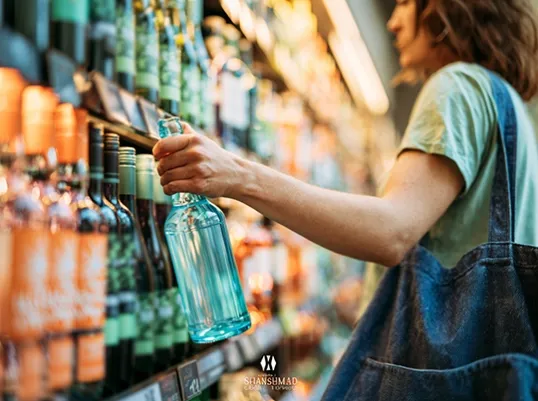
When people think about product labels, they often see them as simple stickers attached to packaging.
A printed design.
A layer of material.
A way to display product information.
However, from the perspective of a professional label manufacturer, a custom label is much more than that.
A label is one of the most important connections between a product and its customers.
It communicates:
- Brand identity
- Product information
- Usage instructions
- Regulatory requirements
- Product value
At the same time, it needs to perform in real-world conditions.
It needs to:
- Stay attached to the package;
- Remain readable;
- Match the product environment;
- Support the overall packaging experience.
This is why a successful custom label is not created by simply designing an attractive image and sending it for printing.
The best labels are created through cooperation between:
- Brand owners;
- Designers;
- Label manufacturers.
Only when these three parts work together can a label achieve the right balance between appearance, performance, and production feasibility.
A small label may look simple.
But behind it is a complete packaging solution.
Small label, big impact.
Custom Labels Are Part of the Product Packaging System
Many brands initially think labels are only decorative elements.
However, labels are actually an important part of the packaging system.
A successful label needs to achieve two goals.
First: Attract Customers
The label needs to communicate:
- What the product is;
- Why it is different;
- What value it provides.
Second: Perform During Use
The label must also survive real conditions.
Different products create different challenges.
For example:
Custom food labels may need to handle:
- Moisture;
- Oil;
- Refrigeration;
- Frequent handling.
Custom supplement labels need to maintain:
- Clear product information;
- Professional appearance;
- Long-term readability.
Custom cosmetic labels often need to balance:
- Premium appearance;
- Material texture;
- Brand positioning.
Custom vape labels may need to consider:
- Liquid exposure;
- Durability;
- Multiple SKU management.
The label is not only decoration.
It is part of the customer's product experience.
A Label Is Not Just About "Strong Glue"
One common question customers ask is:
"Is the adhesive strong enough?"
However, professional label production involves much more than choosing a strong adhesive.
Label performance depends on the relationship between:
- Container material;
- Surface condition;
- Adhesive type;
- Usage environment.
Different packaging surfaces create different requirements.
For example:
Glass Containers
Glass usually provides a smooth surface and good adhesion conditions.
Plastic Containers
Some plastics may have lower surface energy, making adhesive selection more important.
Metal Containers
Metal surfaces may require different adhesive considerations depending on the application.
The right question is not:
"Which adhesive is the strongest?"
The better question is:
"Which adhesive is suitable for this specific packaging application?"
A professional supplier evaluates the complete application before recommending a solution.
Label Materials Influence Brand Perception
The label material is not only a technical choice.
It also influences how customers perceive the product.
Different materials create different impressions.
Gloss Materials
Can create:
- Bright colors;
- Strong visual impact;
- High shelf visibility.
Matte Materials
Can create:
- Premium feeling;
- Elegant appearance;
- Softer visual experience.
Transparent Materials
Can create:
- No-label look;
- Clean packaging appearance;
- Visual integration with the container.
Textured Materials
Can create:
- Natural feeling;
- Unique tactile experience;
- Premium differentiation.
However, brands should not choose materials only because they look attractive.
The material also needs to match:
- Product environment;
- Container type;
- Durability requirements;
- Production process.
A beautiful label that cannot perform properly is not a successful solution.
Label Design Should Consider Where Customers See the Product
Today, products are sold through different channels.
A label may be viewed:
- Online through product images;
- On retail shelves;
- Through customer reviews;
- In social media content.
Different environments create different design requirements.
Online Sales
Customers often see:
- Product photos;
- Close-up images;
- Packaging details.
The label needs to remain clear and recognizable in images.
Retail Environment
Customers may compare many products at the same time.
The label needs:
- Clear information hierarchy;
- Strong visual recognition;
- Easy product identification.
A good label does not only look attractive.
It helps customers make purchasing decisions.
The Best Labels Are Created Before Printing Begins
Many brands involve the label supplier only after the design is finished.
However, this may create unnecessary problems.
A design may look perfect on screen but encounter production limitations.
For example:
- The selected material may not create the expected effect;
- Text may become too small after printing;
- Special finishing may require adjustments;
- The label structure may not fit the container.
This is why label manufacturers should participate during the design stage.
Early communication can help identify:
- Production possibilities;
- Material suitability;
- Cost considerations;
- Potential risks.
The goal is not limiting creativity.
The goal is making creativity achievable.
Three Parties Create Better Labels Together
The strongest label solutions usually come from collaboration.
Brand Owners Understand:
- Product positioning;
- Target customers;
- Marketing goals.
Designers Understand:
- Visual communication;
- Brand identity;
- Creative direction.
Label Manufacturers Understand:
- Materials;
- Printing technology;
- Production limitations;
- Cost optimization.
When these three perspectives work together, the final label becomes more practical and effective.
A professional manufacturer does not simply print what is provided.
They help improve the final result.
A Custom Label Manufacturer Is More Than a Printing Supplier
A good custom label manufacturer should not only answer:
"Can we print this design?"
They should also consider:
- Is this material suitable?
- Can this effect be achieved?
- Will the label perform in real use?
- Is there a better production approach?
This type of cooperation helps brands avoid:
- Material mistakes;
- Production delays;
- Unnecessary costs;
- Packaging problems.
The purpose of professional label manufacturing is not only producing labels.
It is helping brands create better products.
Need Help Creating the Right Custom Labels?
Whether you need custom food labels, custom supplement labels, custom cosmetic labels, or custom vape labels, our team can help evaluate the right materials, design considerations, and production approach.
📧 Email: info@asiabees.com
💬 WhatsApp: +86 173 3600 3921