Aug 14, 2026Food Labels
How to Design Sustainable Labels That Balance Appearance, Performance and Packaging Recycling?
Learn how sustainable labels balance materials, design, performance, and recycling goals while supporting different packaging needs across food, supplement, cosmetic, and vape products.
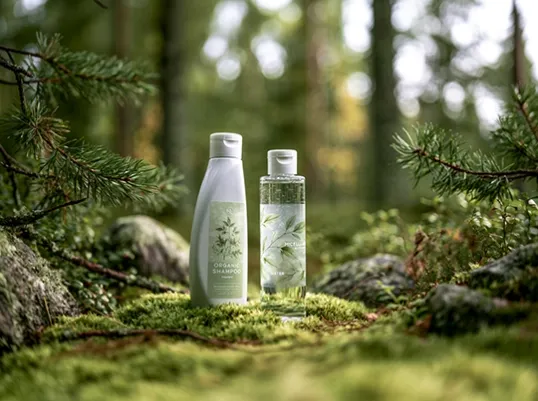
Sustainability has become an increasingly important consideration for brands when developing packaging.
Many companies are looking for ways to reduce environmental impact by choosing:
- Recycled materials
- Renewable materials
- Eco-friendly packaging solutions
- More responsible production methods
When it comes to labels, some brands immediately ask:
"Which sustainable label material should we use?"
However, from our experience as a label manufacturer, sustainability is not simply about replacing one material with another.
A successful sustainable label solution needs to balance:
- Environmental considerations
- Product protection
- Visual appearance
- Printing performance
- Packaging compatibility
A label that looks environmentally friendly but fails during real use may create additional waste if products need relabeling or replacement.
Therefore, sustainable label design should start with a more practical question:
"What label solution creates the best balance between sustainability and real-world performance?"
Sustainable Labels Should Start With the Product Application
One common misunderstanding is that sustainable labels are only about choosing environmentally friendly materials.
In reality, the product application should always come first.
A label needs to work with the actual packaging environment.
Different products create different requirements.
For example:
Food products may require labels that can handle:
- Moisture
- Oil
- Refrigeration
- Frequent handling
Brands developing custom food labels need to consider not only the sustainability of the label material but also whether the label can maintain performance throughout the product lifecycle.
Supplement products may require labels that maintain:
- Clean appearance
- Product information readability
- Long-term durability
This is especially important for custom supplement labels, where customers often expect packaging to communicate health, quality, and trust.
Cosmetic products may focus more heavily on:
- Premium appearance
- Texture
- Brand perception
For custom cosmetic labels, sustainable materials also need to support the visual expectations of beauty and skincare brands.
Vape products may require:
- Moisture resistance
- Durability
- Clear product information
For custom vape labels, sustainability choices also need to consider the product environment and packaging performance.
The best sustainable label is not simply the most environmentally focused option.
It is the option that fits the product.
Sustainable Materials Can Change the Final Visual Effect
Another important factor brands need to understand is that sustainable materials may not look exactly the same as traditional label materials.
For example:
- Recycled paper
- Natural fiber paper
- Specialty sustainable materials
may have:
- Different background colors
- Natural textures
- Different ink absorption characteristics
This means the same artwork may produce a different result when printed on a sustainable material.
A design created for a bright white label may appear softer or warmer when printed on recycled paper.
Colors may change.
Contrast may change.
Texture may become part of the overall brand experience.
Therefore, brands should not simply transfer existing artwork onto a new sustainable material.
Instead, the design should be adjusted according to:
- Material color
- Surface texture
- Transparency
- Printing performance
A professional label supplier can help brands understand how materials influence the final appearance.
Sustainable Labels Can Still Have Strong Brand Appeal
Some brands worry that choosing sustainable labels means sacrificing visual quality.
This is not true.
Sustainable packaging does not need to look simple, rough, or unfinished.
Many successful brands create premium sustainable packaging through thoughtful design choices.
Examples include:
- More intentional use of white space
- Clear typography
- Limited but recognizable colors
- Natural material textures
- Simple visual hierarchy
The goal is not removing all design elements.
The goal is avoiding unnecessary decoration while keeping the brand identity strong.
For example:
A natural food brand may use a softer material texture to communicate authenticity.
A supplement brand may combine sustainable materials with clean typography to reinforce a health-focused image.
A cosmetic brand may use minimalist sustainable packaging to create a premium appearance.
Sustainable design can still be beautiful.
The key is matching the design language with the material characteristics.
Sustainable Labels Need Clear and Honest Communication
As sustainability becomes more important, consumers are paying more attention to environmental claims.
However, vague statements such as:
- Eco-friendly
- Green packaging
- Good for the planet
may not provide enough information.
Brands should communicate sustainability clearly.
For example:
They can explain:
- What material is used
- Whether the label or the entire package is recyclable
- How consumers should dispose of the packaging
- What sustainability improvements were made
If the label space is limited, brands can use:
- QR codes
- Website links
- Digital sustainability information
to provide more details.
Clear communication helps avoid misleading claims and builds customer trust.
Sustainable Labels Require the Right Adhesive and Structure
Sustainability is not only about the face material.
The complete label structure also matters.
This includes:
- Face material
- Adhesive
- Printing process
- Finishing options
For example:
A recyclable label material may not provide the expected result if the adhesive does not match the packaging.
A label that peels off during use creates unnecessary waste.
A label that requires frequent replacement is also not a truly sustainable solution.
This is why professional label production considers the entire system.
The goal is creating labels that:
- Perform well
- Last throughout use
- Support recycling goals
- Reduce unnecessary waste
Testing Before Mass Production Reduces Sustainability Risks
For brands introducing sustainable packaging, testing is especially important.
A material that looks good in a specification sheet may perform differently in real production.
Before large-scale production, brands should consider testing:
- Material appearance
- Printing colors
- Adhesive performance
- Application results
- Recycling compatibility
This is especially useful for brands with:
- Multiple SKUs
- Different product categories
- New packaging designs
Digital printing and small-batch production can help brands test sustainable label concepts before committing to large quantities.
For example:
A company developing several custom food labels or custom cosmetic labels can test different materials and designs first, then choose the most suitable option for larger production.
This reduces the risk of:
- Material selection mistakes
- Large-scale waste
- Packaging redesign costs
A Professional Label Supplier Helps Balance Sustainability and Performance
Sustainable label design requires cooperation between brands and manufacturers.
A brand understands:
- Product positioning
- Customer expectations
- Sustainability goals
A label supplier understands:
- Materials
- Printing limitations
- Adhesives
- Production processes
When these two sides communicate early, better decisions can be made.
A professional supplier can help answer questions such as:
- Is this sustainable material suitable for the product?
- Will the design reproduce correctly?
- Does the adhesive match the packaging?
- Can the required appearance be achieved?
The goal is not simply choosing the most sustainable material.
The goal is creating a sustainable label solution that works.
Need Help Choosing Sustainable Labels for Your Product?
Whether you need sustainable options for custom food labels, custom supplement labels, custom cosmetic labels, or custom vape labels, our team can help evaluate the right material and production approach based on your application.
📧 Email: info@asiabees.com
💬 WhatsApp: +86 173 3600 3921