How Many Food Labels Should I Order for a New Product Launch?
Learn how many food labels to order for a new product launch and why small batch labels, digital printing, and flexible ordering can reduce inventory risk for startups.
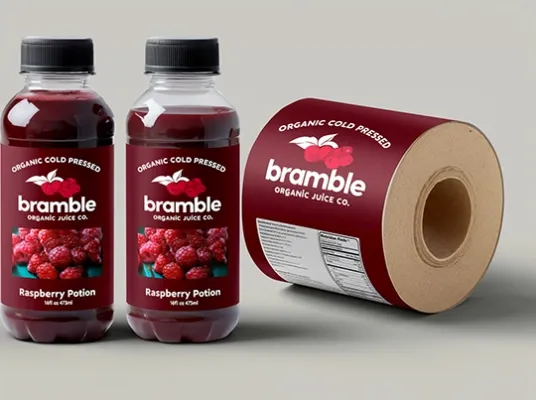
Launching a new food product is exciting.
A brand has spent months developing the recipe, designing the packaging, and preparing the marketing strategy. Everything seems ready for the market.
Then comes an important question:
How many labels should we order for the first production run?
At first, ordering a large quantity of custom food labels may seem like the smart choice.
A larger order usually means a lower unit price.
But for a new product, the lowest price per label is not always the lowest overall cost.
The reality is that new products come with many uncertainties.
- The formula may change
- The packaging design may need improvement
- The marketing strategy may be adjusted
- Customer feedback may influence future decisions
Even a successful launch may require changes to the label design after the first market response.
This is why many startup food brands should avoid printing excessive label inventory during the early stage.
A flexible label strategy allows brands to test, learn, and adjust without creating unnecessary waste.
New Products Need Flexibility More Than Large Label Inventory
When an established product has been selling successfully for years, ordering a large quantity of food labels often makes sense.
The demand is predictable.
The artwork is stable.
The production schedule is clear.
A new product is different.
During the first months after launch, brands are still learning:
- Which flavor customers prefer
- Which package size performs better
- Which sales channels are most effective
- How much inventory is actually needed
- Whether the packaging design communicates the right message
These factors can influence the final label design.
For example:
- A product description may need adjustment
- A nutrition panel may need updating
- A marketing campaign may require a new promotional message
- A product may expand into a new market requiring additional information
If thousands of labels have already been printed, these changes can turn existing inventory into waste.
For a growing food brand, flexibility is often more valuable than a slightly lower label price.
Multiple SKUs Create Higher Label Inventory Risks
Many new food brands launch with multiple products.
This is understandable.
Offering different flavors, sizes, or variations can help attract different customer groups and test market demand.
However, every SKU requires its own label.
A brand with:
- Five flavors
- Two package sizes
- Seasonal editions
- Different market versions
can quickly create many different food packaging labels.
If every version is printed in large quantities before demand is proven, inventory risk increases significantly.
One SKU may become a bestseller.
Another may need a recipe adjustment.
A third may be discontinued.
For this reason, many growing brands prefer smaller, more flexible label orders during the early stage.
Small Batch Labels Help Brands Test the Market
For new product launches, the first goal is not always maximum production.
The first goal is learning.
A small batch production strategy allows brands to:
- Test customer response
- Confirm product-market fit
- Adjust packaging
- Improve marketing messages
- Understand real demand
This is where small batch labels become valuable.
Instead of committing to a large inventory of one design, brands can order quantities that match their current production needs.
If the product performs well, additional labels can be ordered.
If changes are needed, the brand can update the next production run.
This approach reduces risk while keeping the business flexible.
Digital Label Printing Makes Small Orders More Practical
Traditional printing methods often become less efficient for small orders because they require setup costs such as printing plates.
For startup food brands, this creates a challenge.
They may need professional-quality labels but do not yet have predictable demand.
This is where digital label printing provides a major advantage.
Digital printing does not require traditional printing plates, which makes it suitable for:
- Low MOQ labels
- Small quantity orders
- Multiple SKUs
- Product testing
- Limited editions
- Fast design changes
For a new food product, this means brands can order the quantity they need today instead of predicting what they might need six months later.
It also allows faster response when changes happen.
A brand can update:
- Ingredients
- Nutrition information
- Branding elements
- Promotional messages
- Product variations
without the same setup burden associated with traditional printing methods.
Faster Label Production Helps New Products Launch Quickly
Timing matters when launching a new food product.
A delayed label order can affect:
- Packaging schedules
- Product photography
- Retail deliveries
- Marketing campaigns
- Customer availability
For startup brands, speed can be just as important as cost.
Digital food label printing can help shorten production timelines because it removes some traditional setup steps.
This gives brands more flexibility when they need:
- A quick product launch
- A market test
- A seasonal product
- A limited-time promotion
- A replacement label version
A faster labeling process allows businesses to react to market opportunities instead of waiting for long production cycles.
The Right First Order Quantity Depends on Your Product Stage
There is no universal answer to:
"How many labels should I order?"
The right quantity depends on:
- Expected sales volume
- Number of SKUs
- Product stability
- Marketing plans
- Packaging changes
- Storage capability
- Budget flexibility
For a brand launching its first product, ordering a smaller quantity is often a safer decision.
For a product with stable demand and proven sales, larger orders may provide better unit economics.
The important thing is matching the label order strategy to the current stage of the business.
Labels Are Part of Product Development, Not Just Packaging
One thing we often remind new food brands is:
Labels are not only a packaging cost.
They are part of the product development process.
During the early stage, brands are still improving their products.
The label may evolve together with:
- The recipe
- The target customer
- The brand message
- The sales strategy
Treating labels as a flexible business tool can help companies grow more efficiently.
How AsiaBees Helps New Food Brands
At AsiaBees, we understand that startup food brands need flexibility.
With advanced digital printing equipment, we help brands produce professional custom food labels with lower upfront investment and more flexible quantities.
This is especially useful for brands that need:
- Small batch labels
- Multiple SKU versions
- Quick product launches
- Frequent packaging updates
- Low MOQ production
Our goal is not simply to print labels.
It is to help brands reduce risk while bringing products to market faster.
Final Thoughts
For a new food product launch, ordering thousands of labels immediately is not always the best decision.
The market may change.
The packaging may change.
The product strategy may change.
A flexible label approach allows brands to adapt without unnecessary inventory waste.
With digital label printing and small batch production, startups can launch products faster, test the market, and scale when demand becomes clear.
The best first label order is not the biggest one.
It is the one that gives your brand the right balance between cost, flexibility, and growth.
Need Help Planning Your First Food Label Order?
Not sure how many labels you should order for your new product launch?
Tell us your product type, number of SKUs, expected quantity, and launch plan. We can help recommend a suitable label quantity and printing method.
Website: https://www.asiabees.com
WhatsApp: +86 173 3600 3921
Email: info@asiabees.com