Aug 20, 2026Food Labels
Are Clear Labels Right for Your Product and Brand?
Discover whether clear labels are right for your product and brand. Learn how transparent materials, design, printing, and packaging conditions affect the final label appearance.
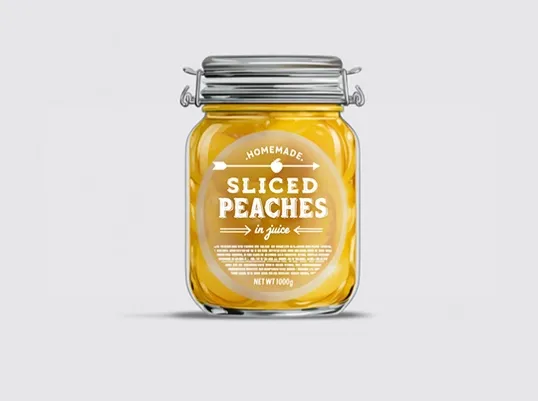
Clear labels have become a popular packaging choice for many brands.
The reason is simple:
They create a clean, modern appearance and allow the product itself to become part of the packaging design.
Instead of looking like a traditional sticker placed on a container, a transparent label can create a no-label look, making the graphics appear closer to being printed directly onto the package.
This effect is especially attractive for products with:
- Beautiful liquid colors;
- Premium bottle designs;
- Transparent packaging;
- Minimalist brand concepts.
However, an important question remains:
Are clear labels suitable for every product and brand?
The answer is:
Not always.
From our experience as a label manufacturer, clear labels are not simply a material choice.
They are a packaging design decision.
The success of a transparent label depends on:
- The product appearance;
- The container;
- The label material;
- The printing process;
- The final usage environment.
A clear label can create an excellent visual effect when the product is suitable.
But it can also highlight imperfections if the packaging is not designed for transparency.
The Value of Clear Labels Is Showing More, Not Hiding More
The biggest advantage of clear labels is not simply that they are transparent.
The real value is that they reduce the visual barrier between the label and the packaging.
A transparent label allows:
- Product color;
- Bottle appearance;
- Background design;
- Packaging details
to become part of the overall visual experience.
For example:
A beverage brand with an attractive liquid color may use clear labels to allow the product itself to contribute to the design.
A premium cosmetic brand may use transparent labels to create a clean and sophisticated appearance.
A custom vape labels project may use clear materials to create a modern and high-end packaging effect.
However, transparency also means the container becomes part of the design.
If the bottle has:
- Scratches;
- Uneven color;
- Visible defects;
- Poor surface appearance;
a clear label may make these issues more noticeable.
Before choosing transparent labels, brands should first ask:
"Is my packaging worth showing?"
If the answer is yes, clear labels can create a strong visual advantage.
Clear Labels Change How Designers Think About Color
One major difference between clear labels and traditional labels is how colors behave.
With a standard white label, the printed colors are mainly influenced by the label surface.
With transparent labels, the final appearance is affected by:
- Bottle color;
- Product color;
- Background;
- Lighting conditions.
The same artwork can create completely different results depending on the product.
For example:
A light-colored design may look clear and elegant on a transparent bottle.
The same design may become difficult to read when applied to a dark-colored product.
A bright liquid may enhance the design.
A darker liquid may reduce color contrast.
This is why transparent label design requires more consideration than simply changing the material.
Designers need to understand how the final product will interact with the label.
White Ink Is a Design Tool for Transparent Labels
Many people think transparent labels should always remain completely transparent.
In reality, professional transparent label printing often uses white ink strategically.
White ink can help:
- Improve color brightness;
- Increase text readability;
- Create contrast;
- Control transparent areas.
However, the goal is not always printing white ink across the entire label.
Different effects can be achieved through:
Full White Ink Layer
Creates a stronger background for colors and text.
Partial White Ink
Allows some areas to remain transparent while improving specific design elements.
Multiple Transparency Levels
Creates different visual layers within the same label.
This gives brands more creative flexibility.
A professional label supplier can help determine where white ink is necessary and where transparency should be preserved.
Clear Label Design Should Be Tested on the Real Product
One common mistake is approving transparent labels based only on:
- Computer design files;
- Empty bottles;
- Digital mockups.
However, the actual product may look different after filling.
Product appearance can change because of:
- Formula differences;
- Storage time;
- Temperature changes;
- Light exposure.
For example:
A liquid may appear slightly different after storage.
A product color may become stronger or weaker over time.
The transparent label effect may change accordingly.
This is why clear label testing should be done on the actual filled packaging whenever possible.
Brands should evaluate:
- Transparency;
- Color accuracy;
- Text readability;
- Overall visual balance.
A label that looks perfect in a digital presentation may not always create the same effect on the final product.
Clear Labels Require Higher Material and Application Control
Transparent labels often require more attention during production because imperfections are easier to see.
Issues that may be hidden on standard labels can become obvious on clear labels.
Examples include:
- Air bubbles;
- Dust particles;
- Adhesive marks;
- Uneven application;
- Edge lifting.
This means transparent labels usually require careful selection of:
- Film material;
- Clear adhesive;
- Labeling method.
The container surface also matters.
Glass bottles and plastic bottles may require different considerations because their surface characteristics are different.
A professional supplier should evaluate:
- Container material;
- Bottle shape;
- Label size;
- Application conditions.
Clear labels are not difficult because they are transparent.
They are challenging because transparency reveals every detail.
Clear Labels Should Balance Appearance and Readability
One common mistake is focusing only on achieving a minimalist appearance.
However, labels still need to communicate important information.
Depending on the product category, labels may need to display:
- Ingredients;
- Product information;
- Warning statements;
- Usage instructions;
- Barcodes.
Very thin fonts, small text, or low-contrast colors may become difficult to read on transparent materials.
The design should balance:
- Visual simplicity;
- Brand style;
- Information clarity.
A beautiful label is not effective if customers cannot understand the information.
Clear Labels Are a Design Choice, Not a Universal Solution
Transparent labels can work extremely well for certain products.
They are often suitable for brands that want:
- A premium appearance;
- A minimalist style;
- A no-label look;
- Product visibility.
However, they may not be the best option for every application.
Brands should consider:
- Product appearance;
- Container quality;
- Sales environment;
- Required information;
- Production requirements.
The best label solution is not always the most visually impressive option.
It is the option that helps the product communicate effectively.
A Professional Label Supplier Helps Make Better Decisions
Choosing clear labels requires cooperation between:
- Brand owners;
- Designers;
- Label manufacturers.
Brands understand:
- Product positioning;
- Customer expectations;
- Marketing goals.
Designers understand:
- Visual identity;
- Creative direction.
Label manufacturers understand:
- Material performance;
- Printing limitations;
- Production possibilities.
When these three perspectives work together, clear labels can achieve the intended result.
A professional supplier does not simply provide transparent materials.
They help brands decide whether transparency is the right solution.
Need Help Choosing Clear Labels for Your Product?
Whether you are developing custom food labels, custom cosmetic labels, custom vape labels, or other transparent packaging solutions, our team can help evaluate whether clear labels are suitable for your product.
📧 Email: info@asiabees.com
💬 WhatsApp: +86 173 3600 3921